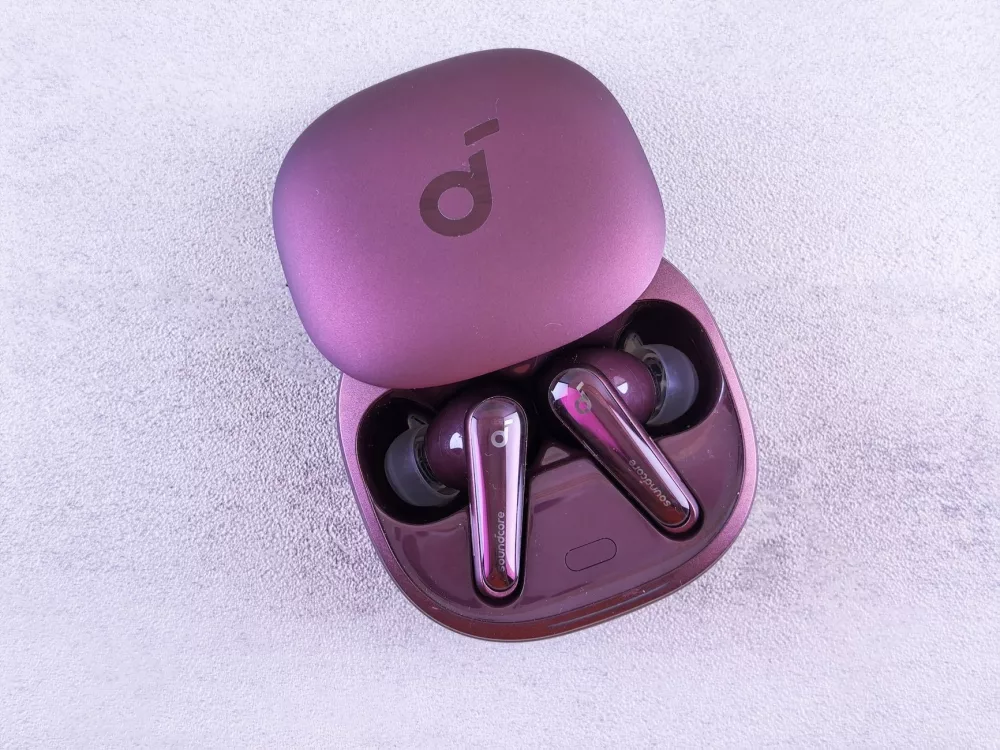
Alright, let's talk about something that trips up a lot of people: the difference between earbuds and earphones. You know, those little gadgets we stick in our ears to listen to music, podcasts, or take calls. It's a common misconception that these terms are interchangeable, and honestly, for a long time, I used them that way myself! But if you're serious about your audio experience, or just want to make an informed purchase, understanding the distinction is actually pretty important.
What Are We Even Talking About? Defining the Contenders
Before we dive into the nitty-gritty, I think it's crucial we get our definitions straight. When most people say 'earbuds' today, they're often referring to those small, typically wireless devices that sit in the outer part of your ear. Think along the lines of the classic Apple EarPods, or even some of the newer 'true wireless' models that don't quite seal off your ear canal. They don't usually push into your ear canal; they just rest in the concha, the bowl-shaped part of your outer ear.
Then we have 'earphones.' Now, this is where it gets a little trickier because 'earphone' can be an umbrella term for any personal audio device that goes in or on your ear. However, in the context of differentiating them from earbuds, when I say 'earphones,' I'm generally talking about devices that are also known as in-ear monitors (IEMs). These are designed to go directly into your ear canal, creating a seal with a silicone or foam tip. They're often recognized for their superior sound isolation and a more immersive listening experience. We're talking about those little guys with the soft tips that you kind of twist into place.
Why Does This Distinction Matter, Anyway?
You might be wondering, 'So what? They both play sound, right?' And you'd be correct! But the fundamental design difference leads to a cascade of effects on sound quality, comfort, noise isolation, and even how you use them. I've found that knowing this really helps when you're trying to pick the right pair for your specific needs, whether you're a casual listener or an audiophile.
The Core Differences: It's All About the Fit
The primary differentiator between earbuds and earphones (IEMs) boils down to their fit and how they interact with your ear. This single aspect influences almost everything else.
- Earbuds: The Open-Air Feel
Earbuds are made to sit just outside the ear canal. They don't create a seal, meaning there's always some space between the earbud and your ear canal wall. This design has a few implications:
- Comfort: For some, this open fit is incredibly comfortable, especially for extended listening sessions, as there's no pressure inside the ear canal. They often feel lighter and less intrusive.
- Situational Awareness: Because they don't block off your ear canal, you can still hear some of your surroundings. This can be a safety feature if you're out and about or need to be aware of what's happening around you at work.
- Sound Quality: This is where the open design usually falters a bit. Without a seal, bass response tends to be weaker, and sound easily leaks out, meaning others might hear your music, and ambient noise easily leaks in.
- Earphones (IEMs): The Sealed Experience
Earphones, or IEMs, are designed to enter and seal off your ear canal. They come with various ear tips (silicone, foam, hybrid) that you can swap out to find the perfect fit.
- Comfort: While initially some people might find the sensation of something in their ear canal a bit odd, a proper fit with the right tips can be incredibly comfortable and secure. Many find them more stable during physical activity.
- Noise Isolation: This is arguably their biggest advantage. The seal physically blocks out a significant amount of ambient noise, allowing you to hear your audio more clearly at lower volumes. You really get immersed in the sound.
- Sound Quality: With a good seal, earphones can deliver a much richer, deeper bass response and clearer overall audio. The sound isn't escaping, so you get the full intended frequency range.
A Closer Look at Performance Aspects
Sound Quality and Bass Response
When it comes to sound, earphones (IEMs) generally have a distinct edge. That seal they create in your ear canal is magic for bass. Without it, like with earbuds, low frequencies just dissipate into the air. It's science, really! IEMs channel the sound directly into your eardrum, minimizing loss and allowing for a much fuller, punchier bass and clearer mid-range and treble. If you're someone who loves bass-heavy music, or just appreciates a full-bodied sound, IEMs are often the way to go.
Noise Isolation vs. Situational Awareness
Here's a big trade-off. Earbuds, with their open design, allow you to hear your surroundings. This is fantastic if you're jogging near traffic, working in an office where you need to hear colleagues, or just prefer not to be completely cut off from the world. I mean, nobody wants to miss their train stop because they're too engrossed in a podcast, right?
Earphones, on the other hand, excel at noise isolation. That seal blocks out a surprising amount of ambient noise, even without active noise cancellation (ANC). This is a godsend on a noisy commute, in a busy gym, or when you just want to focus intensely on your audio. The downside? You might not hear that car horn or someone calling your name. It's a balance you'll have to strike depending on your environment.
Comfort and Fit Security
Comfort is super subjective, I've found. Some people absolutely despise anything going into their ear canal and find earbuds more comfortable for long periods. They just feel less invasive. However, because earbuds merely rest in your outer ear, they can be less secure and prone to falling out, especially during vigorous activity. I've had more than one earbud pop out when I leaned over or turned my head quickly.
Earphones, with the right tips, can be incredibly secure and comfortable, even for workouts. Once you find the perfect size and material for your ear canal, they often stay put better than traditional earbuds. But, if you don't get the fit right, they can cause discomfort or even pain after a while. It's all about experimenting with those tips!
Hygiene Considerations
Since earphones go directly into your ear canal, there can be a slightly higher chance of earwax buildup on the tips, which then needs regular cleaning. Earbuds, resting externally, might seem a bit more 'hygienic' to some, but they still collect dust and grime. Regardless of your choice, keeping your audio devices clean is just good practice, in my opinion.
Technological Crossover: Blurring the Lines
Now, to make things even more interesting, technology has started blurring these traditional lines a bit. With the rise of 'true wireless' earbuds (like Apple AirPods Pro or Samsung Galaxy Buds), we're seeing devices that are technically earbuds in their form factor but incorporate features traditionally found in earphones.
- Active Noise Cancellation (ANC): Some newer true wireless earbuds now offer ANC, attempting to electronically cancel out noise even without a perfect physical seal. While impressive, a good physical seal from an IEM will generally still provide superior passive noise isolation.
- Transparency Modes: Many true wireless devices, whether they seal or not, include 'transparency' or 'ambient sound' modes. These use microphones to pipe in external sound, giving you situational awareness even with a sealed earphone, essentially trying to offer the best of both worlds.
These innovations mean you might find an 'earbud' that offers some level of noise isolation, or an 'earphone' that lets you hear your surroundings. But the fundamental physical design and its inherent advantages/disadvantages usually still apply.
Making Your Choice: What's Right for You?
So, which should you choose? It really boils down to your personal priorities and how you plan to use them. There's no universal 'best' option, you know?
- Choose Earbuds if:
- You need to stay aware of your surroundings (e.g., walking in the city, working in an open office).
- You find in-ear seals uncomfortable or irritating.
- You prefer a lighter, less intrusive feel.
- You're primarily making calls or listening to podcasts where pristine audio quality isn't the absolute top priority.
- You're on a tighter budget, as basic earbuds are often less expensive.
- Choose Earphones (IEMs) if:
- Sound quality, especially bass, is crucial to your listening experience.
- You need maximum noise isolation for commutes, flights, or noisy environments.
- You want a secure fit for workouts or active lifestyles.
- You desire an immersive audio experience without external distractions.
- You don't mind something sitting in your ear canal and are willing to experiment with different ear tips for comfort.
Ultimately, I think it's important to remember that 'earbuds' and 'earphones' aren't just names; they describe distinct design philosophies that lead to very different listening experiences. Understanding these differences empowers you to pick the perfect audio companion for your ears and your lifestyle. Don't let anyone tell you they're the same, because they definitely aren't!