Exploring the Ubiquitous Isopropyl Alcohol
When I think about the chemical compounds that silently support our daily lives, isopropyl alcohol, often just called rubbing alcohol, invariably comes to mind. It’s an incredibly versatile substance, a true workhorse in everything from our medicine cabinets to industrial settings. My goal here is to pull back the curtain on this remarkable compound, giving you a comprehensive look at what it is, how it works, and why it’s so indispensable.
You see, isopropyl alcohol isn't just a simple cleaner; it's a fascinating chemical with a rich array of properties that make it incredibly effective across countless applications. We’re going to delve into its chemical nature, explore its myriad uses, and, crucially, understand the safety considerations that come with handling it responsibly. So, let’s get started on our journey to uncover the secrets of isopropyl alcohol.
The Chemistry Behind the Clean: What is Isopropyl Alcohol?
At its core, isopropyl alcohol is a clear, colorless liquid with a characteristic strong odor. Chemically, it's a secondary alcohol with the formula C₃H₈O, or more specifically, CH₃CH(OH)CH₃. We typically produce it through the hydration of propylene, which is a fairly common industrial process, or sometimes via the hydrogenation of acetone. It’s a relatively simple molecule, but its structure gives it some quite powerful properties.
Key Chemical Properties
- Volatility: One of its most noticeable traits is its high volatility; it evaporates quickly. This is super useful because it means it leaves little to no residue, which is fantastic for cleaning electronics or surfaces where moisture isn't desired.
- Flammability: I can’t stress enough that it’s highly flammable. This is a critical safety point we’ll discuss further. Its flash point is quite low, meaning it can ignite easily in the presence of an ignition source.
- Solvent Power: It’s an excellent solvent for a wide range of non-polar compounds. This is why it dissolves oils, grease, and many organic materials so effectively.
- Miscibility: It’s completely miscible with water and many organic solvents, which adds to its versatility in formulations.
A Multitude of Uses: Where Do We Find Isopropyl Alcohol?
Honestly, it’s hard to overstate how widely used isopropyl alcohol is. I find it fascinating how one substance can serve so many different purposes. Let's look at some of its primary applications:
1. The Mighty Disinfectant and Antiseptic
This is probably what most people think of first. Isopropyl alcohol is an extremely effective antiseptic and disinfectant. It works by denaturing proteins and dissolving lipids, which damages the cell walls of bacteria, fungi, and viruses, ultimately leading to their death. We typically use it in concentrations of 60% to 90% for this purpose, with 70% being widely considered the optimal concentration. My understanding is that the presence of water actually helps slow down evaporation, allowing the alcohol more contact time to penetrate and effectively destroy microorganisms. That’s why 70% is often preferred over 99% for disinfection; the water acts as a catalyst.
2. The Go-To Cleaning Agent
Oh, the things it can clean! I’ve personally used it for so many cleaning tasks around the house and workshop. It’s perfect for:
- Electronics: Cleaning computer screens, keyboard keys, camera lenses, and even circuit boards. It evaporates quickly and doesn't leave conductive residue.
- Household Surfaces: It's great for sanitizing doorknobs, light switches, and kitchen countertops, especially in areas where food prep happens.
- Medical Equipment: Think about clinics and hospitals; they rely on it for sterilizing instruments and surfaces.
- Sticky Residues: Ever struggled with sticker goo? Isopropyl alcohol often works wonders on removing adhesives, ink stains, and marker marks from non-porous surfaces.
- Whiteboards: If your whiteboard has ghosting, a quick wipe with IPA usually brings it back to life.
3. An Indispensable Solvent
Beyond cleaning, its solvent properties are invaluable in various industries. It’s used in the manufacturing of:
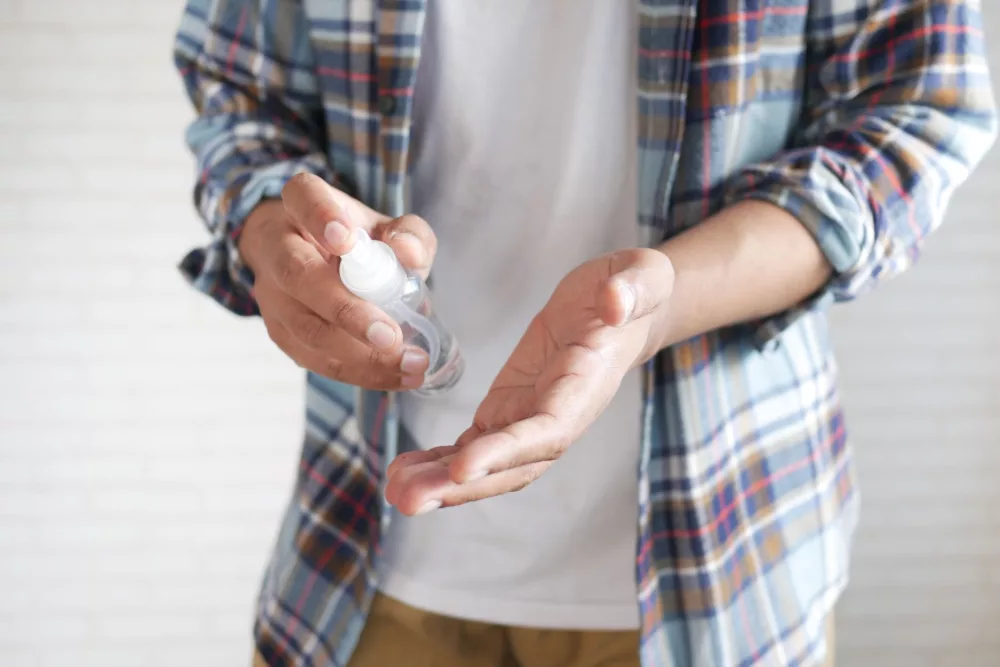
- Cosmetics and Personal Care Products: You'll find it as an ingredient in hand sanitizers, lotions, aftershaves, and even some nail polish removers due to its quick-drying nature and ability to dissolve other ingredients.
- Paints and Coatings: It serves as a solvent for resins, varnishes, and inks.
- Pharmaceuticals: In compounding pharmacies, it's used as a solvent or a diluent for various medications.
- Laboratory Settings: We use it extensively for cleaning lab equipment and as a component in many chemical reactions.
4. Automotive Applications
Believe it or not, isopropyl alcohol plays a role in our cars too. It’s sometimes added to gasoline as a fuel additive to prevent fuel lines from freezing in cold weather, as it helps disperse water that might accumulate in the fuel system. It can also be found in windshield wiper fluids as an anti-freeze agent.
Safety First: Handling Isopropyl Alcohol Responsibly
While incredibly useful, isopropyl alcohol isn't something to take lightly. I always advocate for understanding the risks involved with any chemical we use frequently.
1. Flammability Hazard
As I mentioned, it’s highly flammable. Always keep it away from open flames, sparks, and hot surfaces. When I'm working with it, I ensure good ventilation and absolutely no smoking or ignition sources nearby. Store it in a cool, well-ventilated area, securely sealed.
2. Inhalation and Ingestion
Breathing in high concentrations of its vapors can cause dizziness, drowsiness, headaches, and even nausea. So, proper ventilation is key, particularly in enclosed spaces. Ingestion is far more serious and can lead to poisoning, characterized by symptoms like abdominal pain, nausea, vomiting, central nervous system depression, and in severe cases, coma or death. It’s absolutely crucial to keep it out of reach of children and pets.
3. Skin and Eye Contact
While often used on skin, prolonged or repeated exposure can lead to dryness, irritation, and cracking because it strips away natural oils. For sensitive skin, I’d suggest wearing gloves. If it gets into your eyes, flush them immediately with plenty of water for several minutes and seek medical attention if irritation persists.
Understanding Concentrations: 70% vs. 91% vs. 99%
You’ll often see isopropyl alcohol sold in different concentrations, most commonly 70%, 91%, and 99%. This isn't just arbitrary; each concentration has its ideal uses.
- 70% Isopropyl Alcohol: This is generally my go-to for disinfecting cuts, scrapes, and surfaces. As we discussed, the water content helps facilitate better cellular penetration, making it more effective against a broader range of bacteria, viruses, and fungi. It's also less harsh on skin than higher concentrations, though still drying.
- 91% Isopropyl Alcohol: This concentration is often favored for cleaning electronics where quick evaporation is paramount and water content needs to be minimized. It's also a more potent solvent for dissolving stubborn grime or residue. While it still has some disinfectant properties, it’s not as universally effective as 70% for killing microbes.
- 99% Isopropyl Alcohol: When you absolutely need the least amount of water possible, such as for cleaning delicate electronic components, flux removal, or as a specialty solvent, 99% is the choice. Its high purity means it evaporates almost instantly, leaving virtually no residue. However, its disinfectant capabilities are actually diminished compared to 70% because it lacks the necessary water to properly denature proteins.
Environmental Considerations and Disposal
When we’re done with it, how do we dispose of isopropyl alcohol responsibly? Small amounts, like those used for household cleaning, can typically be evaporated in a well-ventilated area or diluted with water and poured down the drain. However, larger quantities, especially concentrated solutions, shouldn't just be dumped. They should be disposed of as hazardous waste according to local regulations. My advice is always to check with your local waste management facility; they'll have the most accurate guidelines for your area.
Ultimately, isopropyl alcohol is an amazing chemical that truly makes our lives cleaner, safer, and more efficient in countless ways. It's one of those everyday marvels that I think we often take for granted, but its widespread utility and effectiveness are genuinely impressive. Just remember to handle it with the respect it deserves, keeping safety precautions firmly in mind.